

Clontarf Castle Story
Clontarf Castle Story
Our stories are your stories
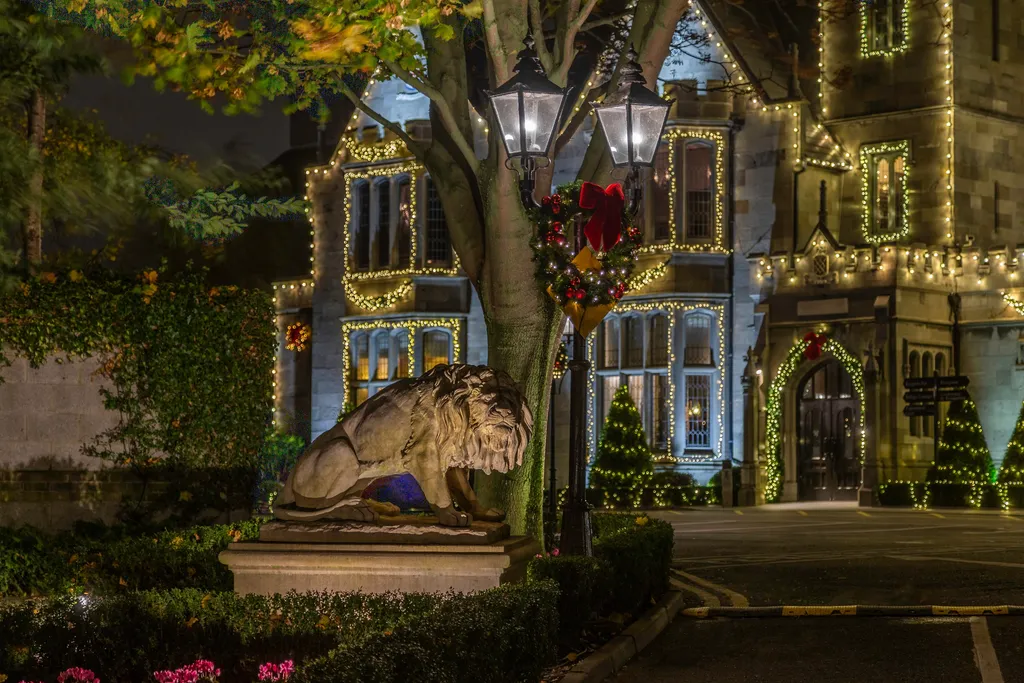
It’s the people who have lived, loved and laughed here that enrich the experience. They have shaped and moulded what Clontarf Castle is; from Brian Boru to the Vernons to Handel & the wonderful premiere in Ireland of his famous work Messiah to the Clontarf locals and our visitors from far and wide… Clontarf Castle has seen generations of celebrations played out within these historic walls, a building where the richness of the old enriches the new…
… Imagine every experience is a memory in the making…
We invite you to share the story
The history behind the name Clontarf
Clontarf comes from the Irish Cluain Tarbh, “the meadow of the bull”, because the thunderous waves crashing on the strand are said to sound like a panting bull.
Good Friday, 1014
Battle of Clontarf
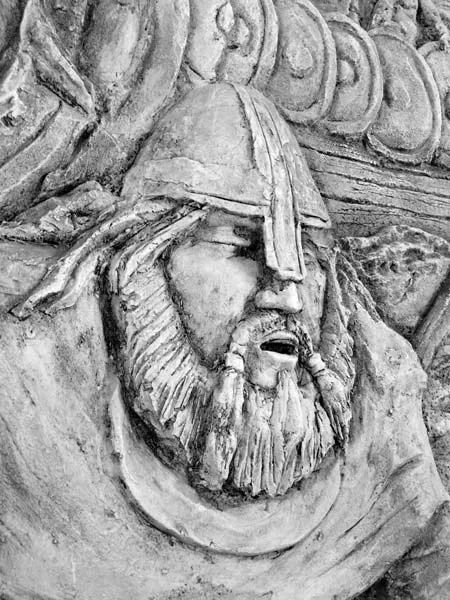
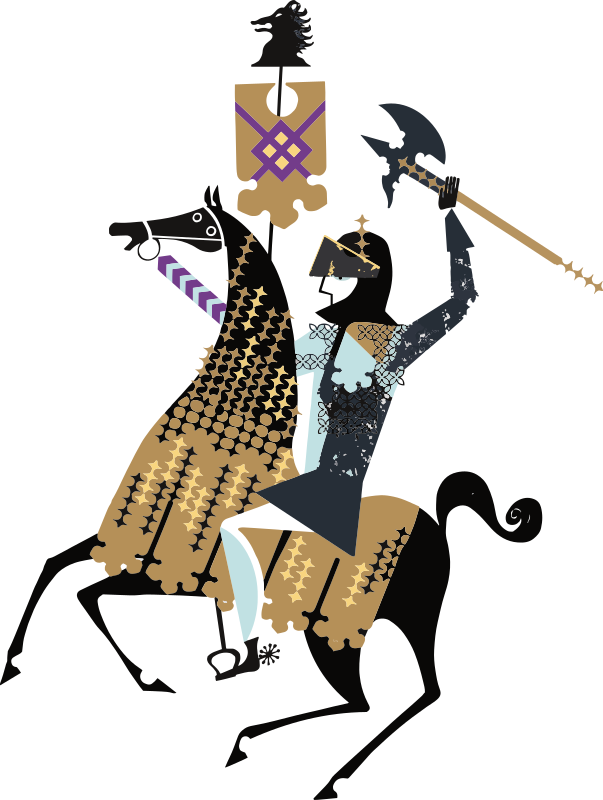
In April 1014, with Dublin Bay as witness, an epic battle was fought right here in Clontarf: Brian Boru, High King of Ireland, on one side, and the Viking armies of Dublin and Máel Mórda mac Murchada, King of Leinster, on the other.
Picture the scene: hordes of Viking warriors driven from Clontarf Strand. The fierce and brutal battle claimed 10,000 lives before Brian Boru triumphed, but his army was not without casualties, namely the High King himself.
Brian’s death is shrouded in mystery. Some accounts claim he died heroically in battle; others say the fleeing Viking mercenary Brodir slew him as he knelt in prayer in his tent, close to where Clontarf Castle stands today.
But the victorious Irish would ultimately have their revenge: Brodir was later captured and brutally executed by Ulf the Quarrelsome.
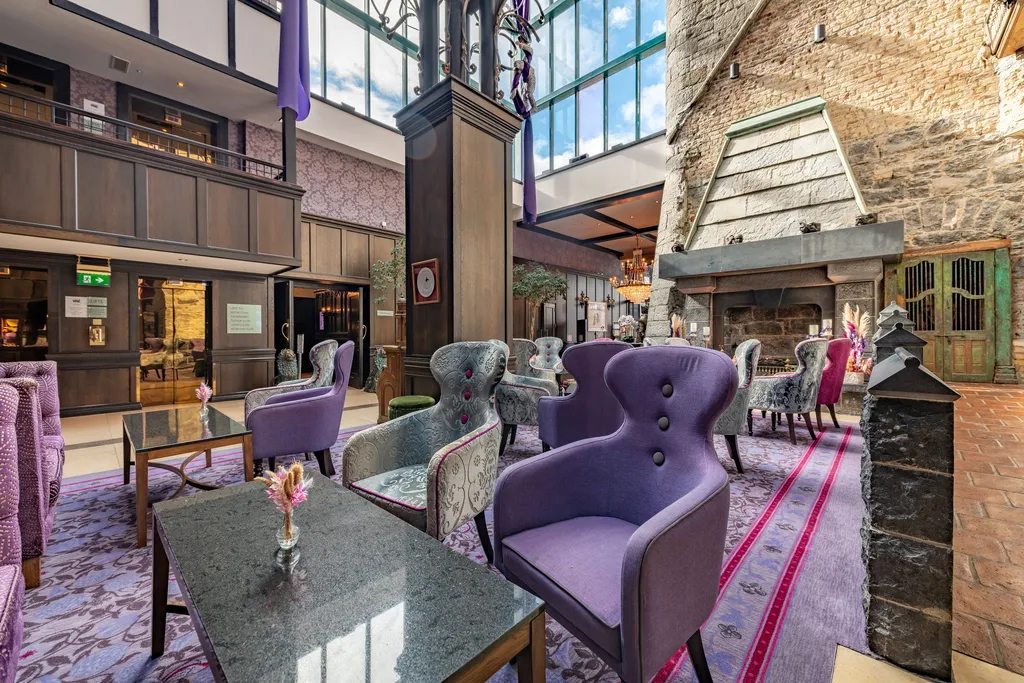
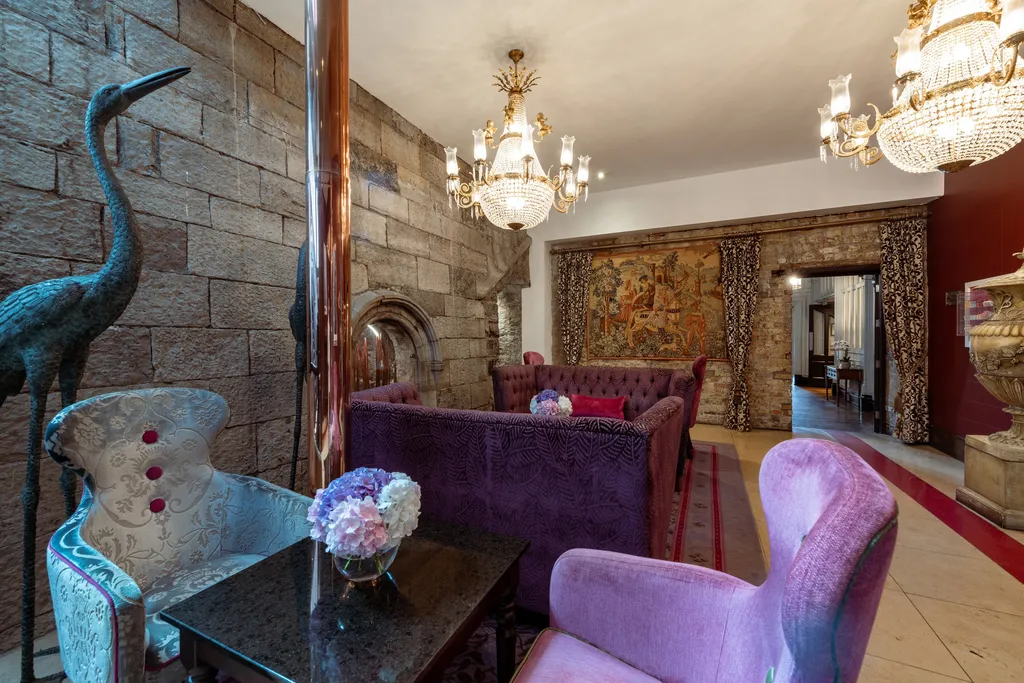
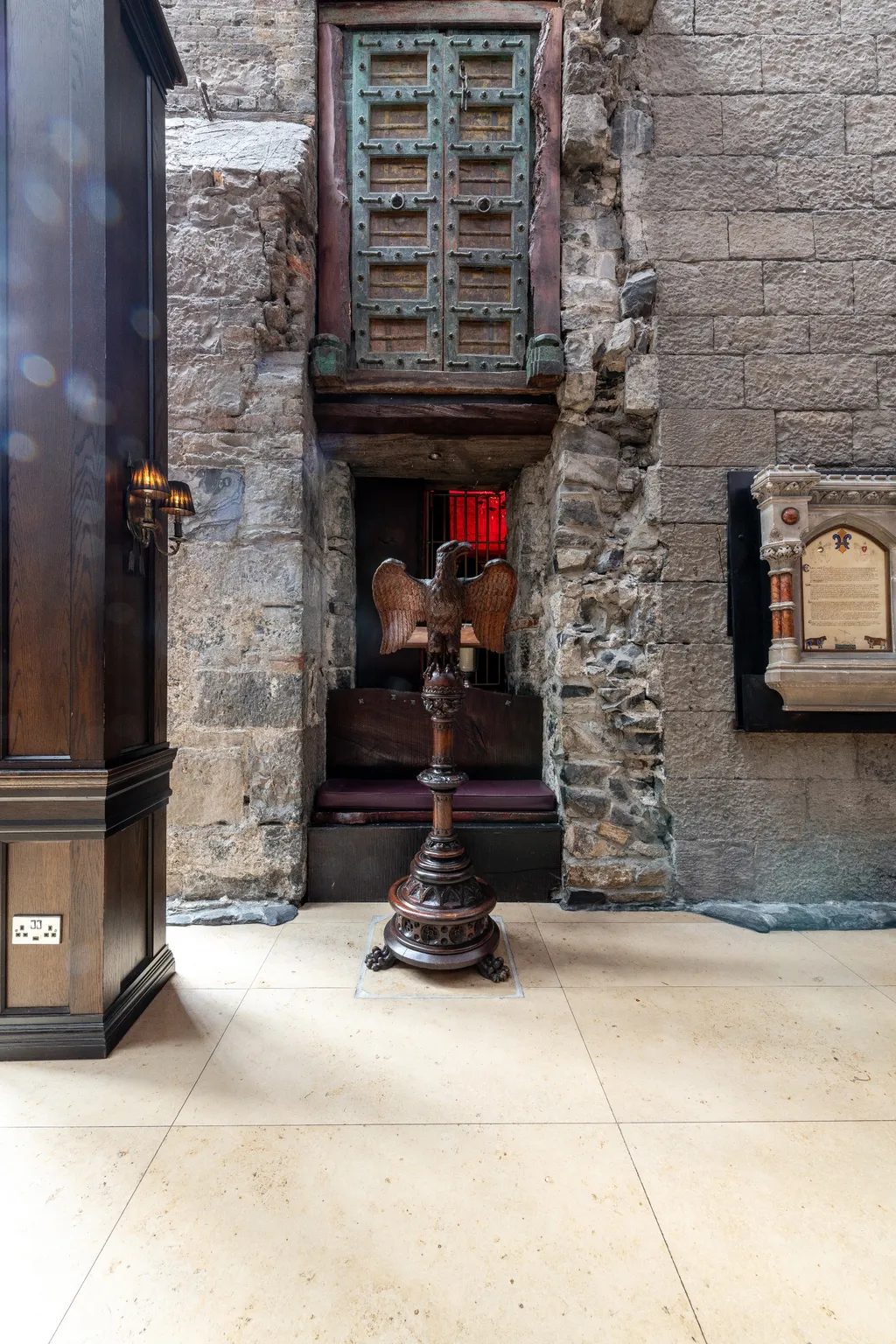
Envelop yourself in history as you ramble through the castle, spotting artefacts and emblems dedicated to Brian, the Boru family and the epic Battle of Clontarf.
1172
Building the Castle
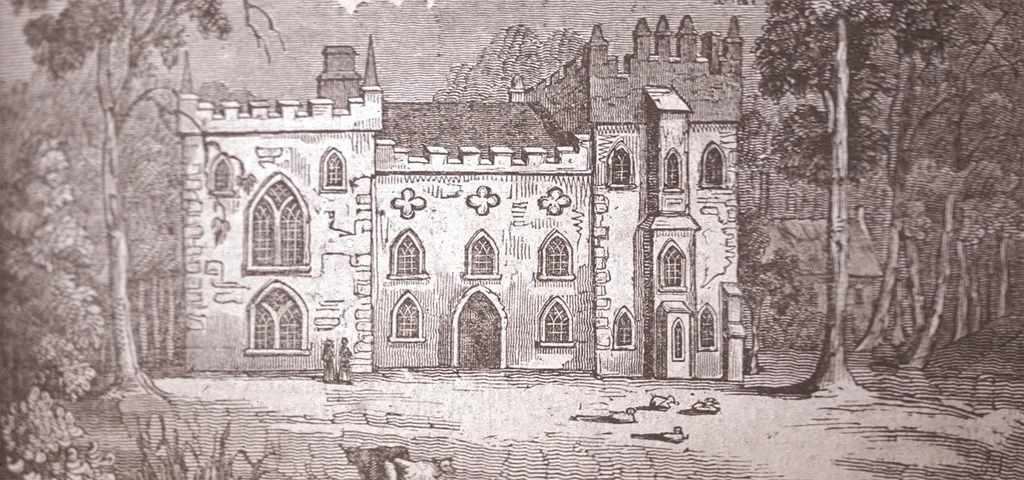
In 1172 Hugh de Lacy, Lord of Meath, ordered the building of Clontarf Castle.
It was to be Dublin’s first line of defence, standing guard over the city from the shores of Dublin Bay.
Until 1541
The Knights Templar
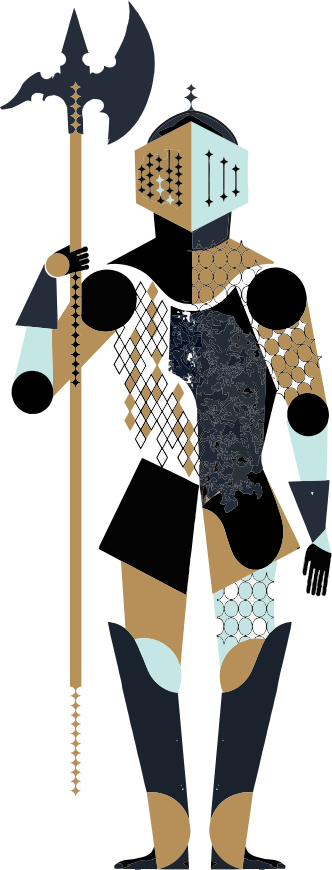
In the Middle Ages Clontarf belonged to the Knights Templar, the order of monk-knights founded in 1119 to protect pilgrims on their way to Jerusalem, who made it one of their Irish strongholds.
Headquartered on Temple Mount, the site of the old Temple of Solomon, the Templars had moneyless beginnings until 1129, when official recognition from the Catholic Church brought them influence, wealth and land.
When the Templars were suppressed in the early 1300s, Clontarf passed to the Knights Hospitaller.
Their luxury was short-lived, however. When Henry VIII cut ties with the Catholic Church and took church property for his newly formed Church of England, the last prior in Ireland, Sir John Rawson, surrendered the castle in 1541 and was made Viscount Clontarf. Clontarf Castle became a military stronghold of the Crown once more.
From 1649
The Vernon Family
In 1649 Oliver Cromwell granted Clontarf Castle to John Blackwell, a captain in his army. Eager to turn a profit, Blackwell sold it to Cromwell’s quartermaster, John Vernon.
The Vernons would keep the castle for more than 300 years, longer than any other owners.
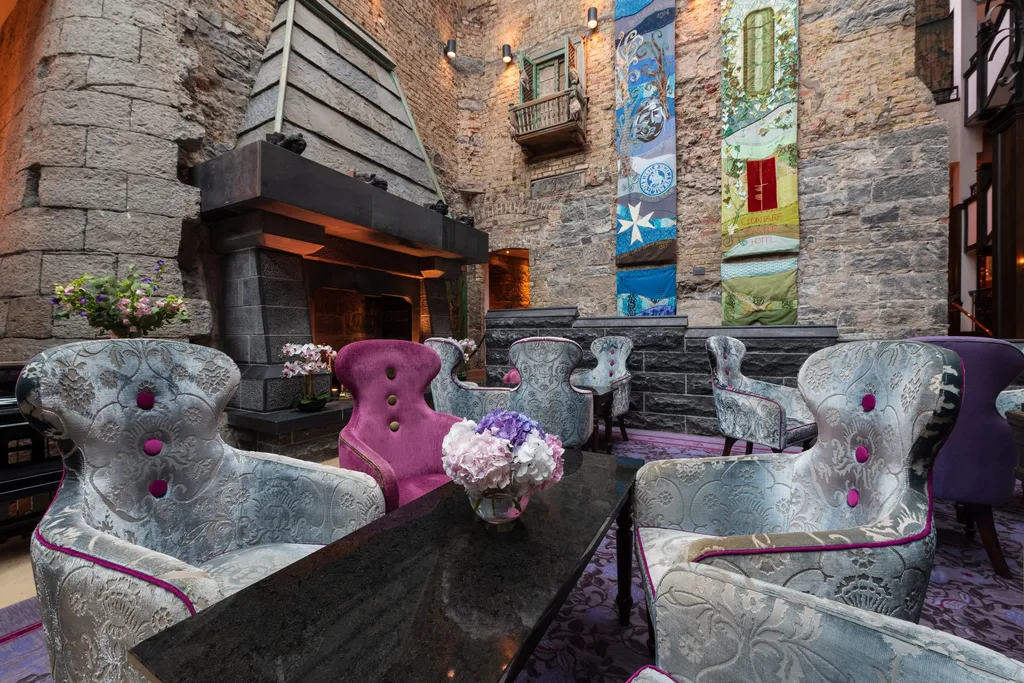
Their family banner still hangs at the lobby entrance, with its motto Vernon Semper Viret: “Vernon always flourishes”.
1685 – 1759
George Frideric Handel
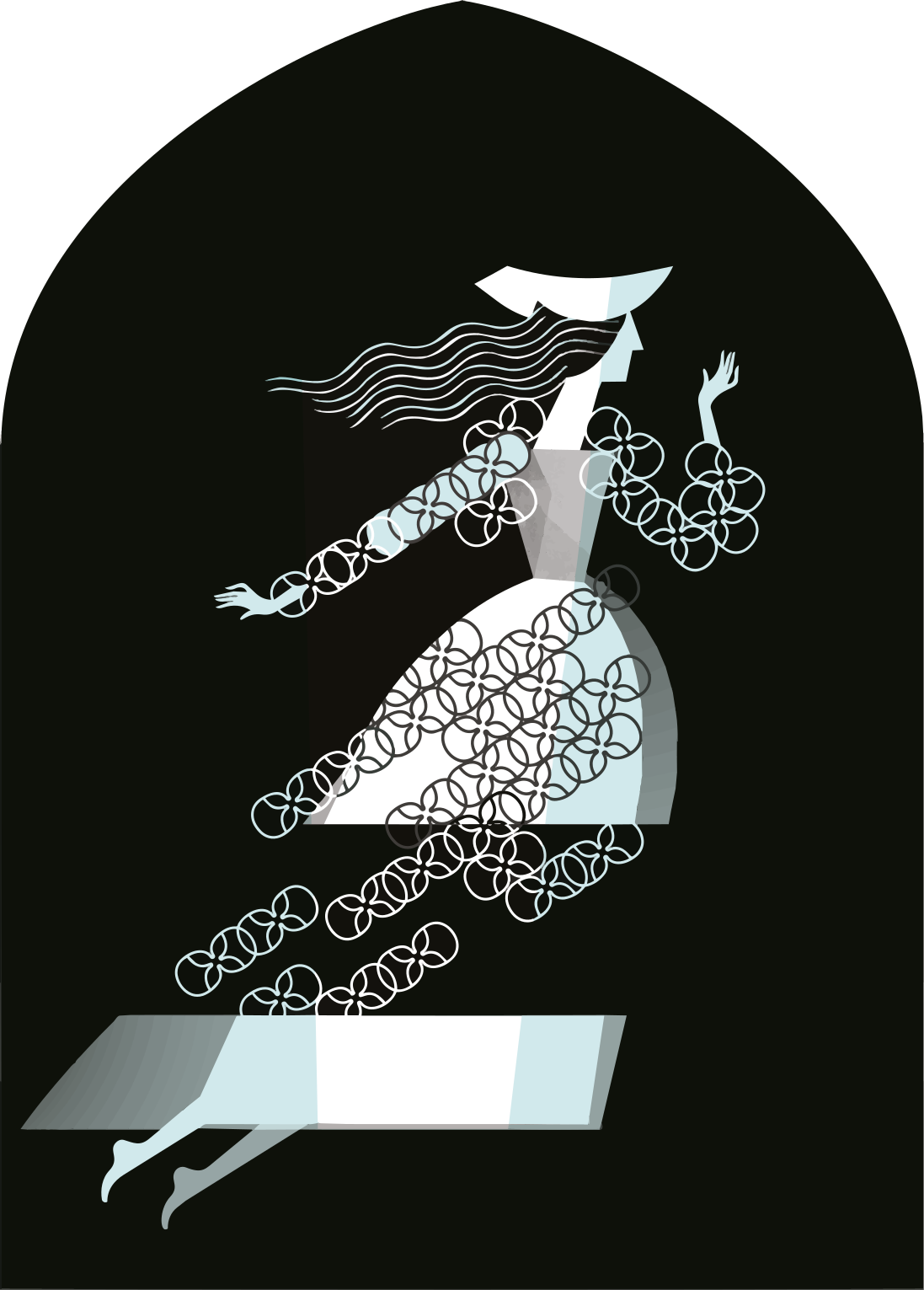
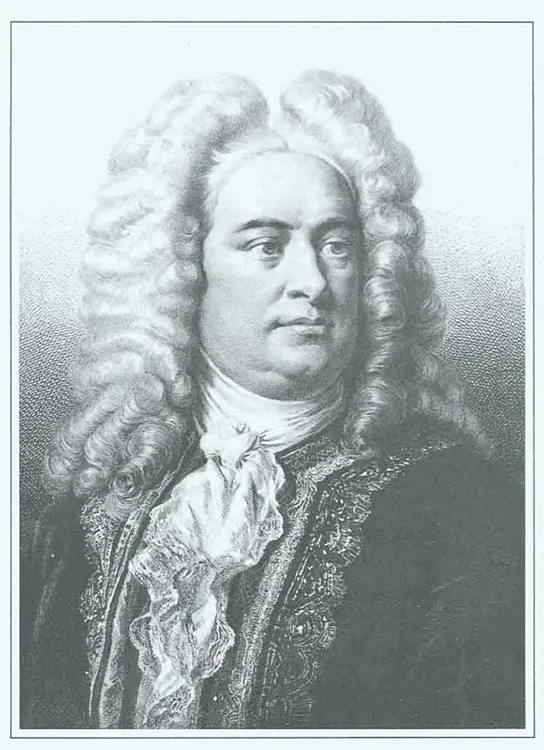
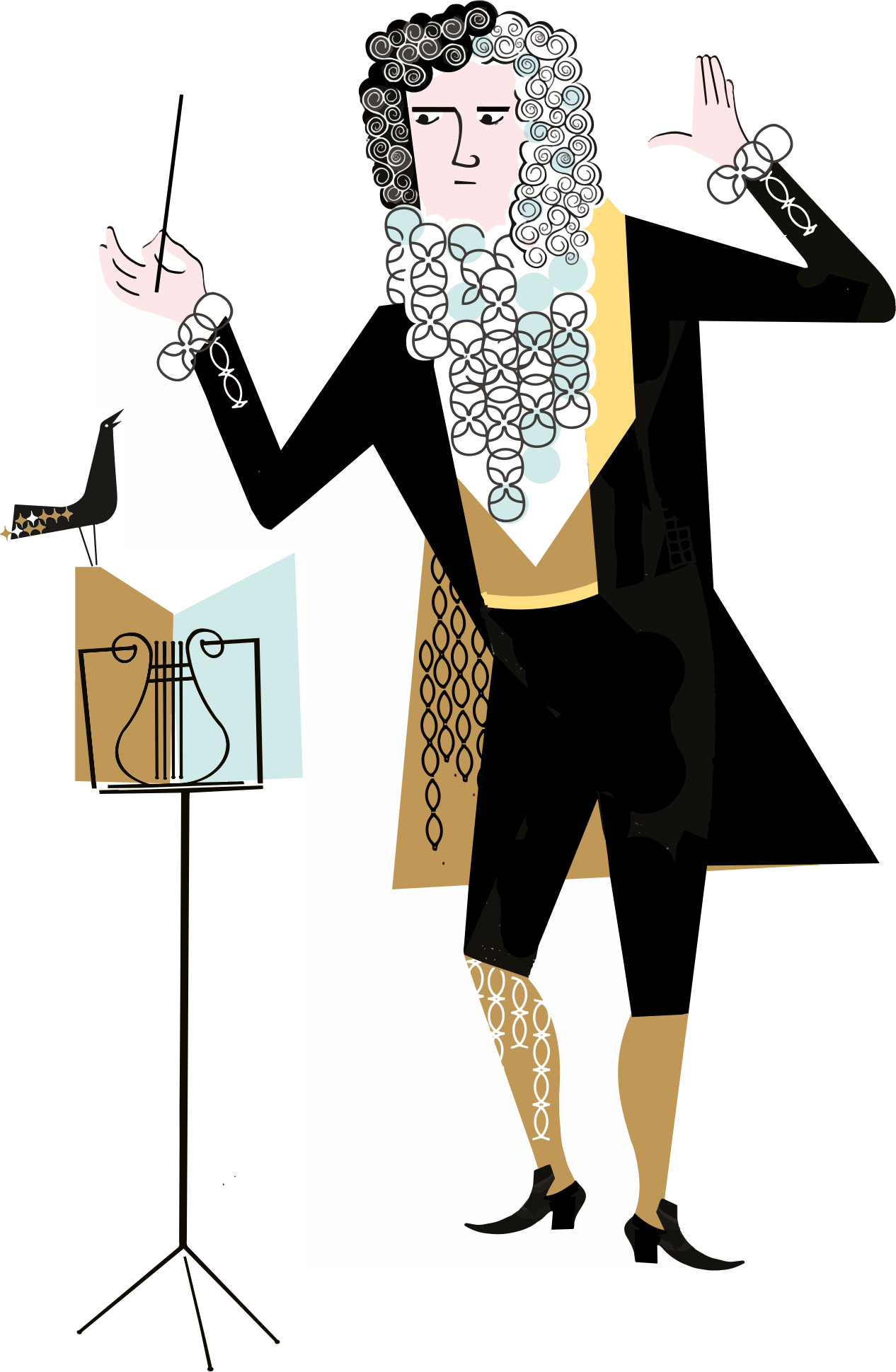
Regarded as one of the greatest composers of the Baroque era, Handel was a regular guest at the castle during the Dublin premiere of his famous work Messiah.
Captivated by Dorothy “Dolly” Vernon, lady of Clontarf Castle’s charms, Handel would compose Forest Music in her honour.
Dolly’s legacy would be remembered in the christening of Dollymount, one of Clontarf’s finest neighbourhoods.
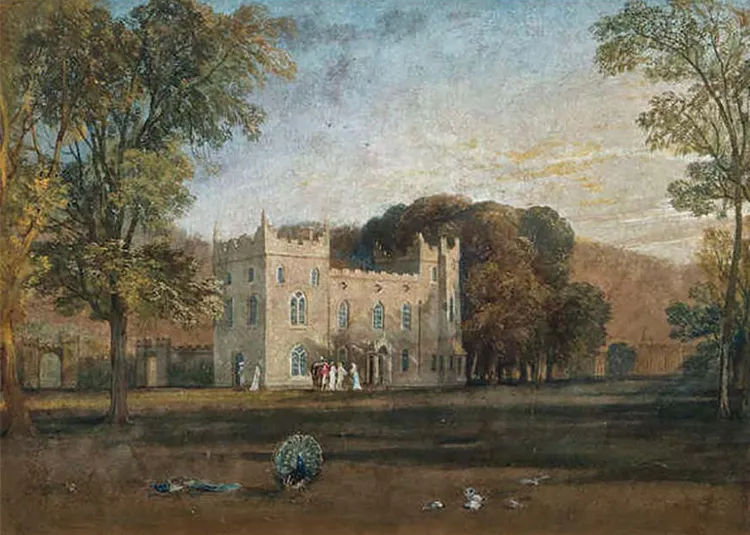
1775 – 1851
Joseph Mallord William Turner
Dating from circa 1816/7 this depiction of Clontarf Castle is the artist’s only known Irish work. Resident and country squire John Vernon’s daughter Maria Sophia was then wife of Turner’s patron Walter Fawkes.
Some say Turner (who is not thought to have visited Dublin) painted the piece as a reminder for Maria Sophia of her beloved childhood home in Dublin.
1835
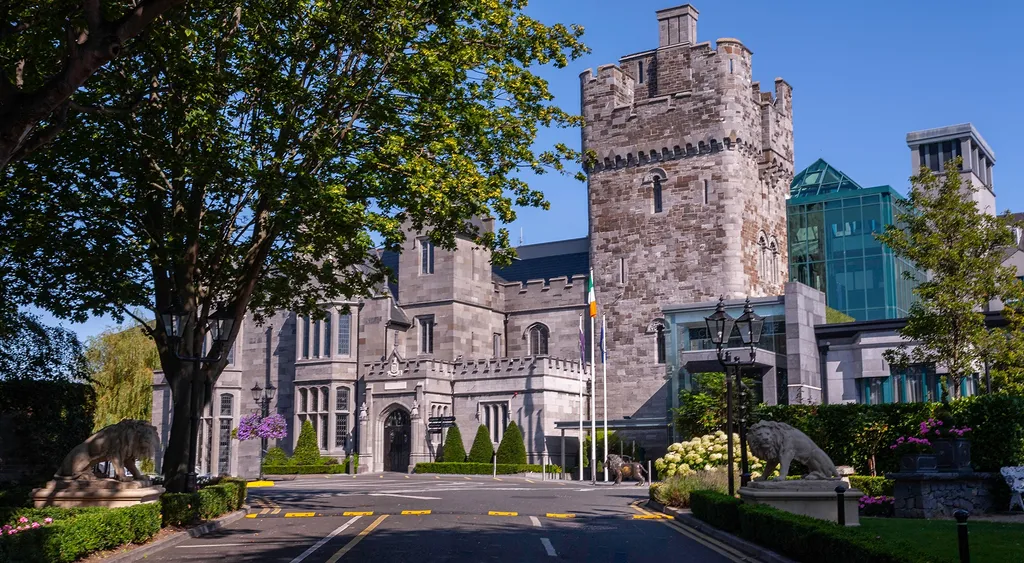
A Castle Rebuilt
In 1835 the Vernons discovered that the castle’s foundations were sinking, and turned to William Vitruvius Morrison, one of Ireland’s most celebrated architects.
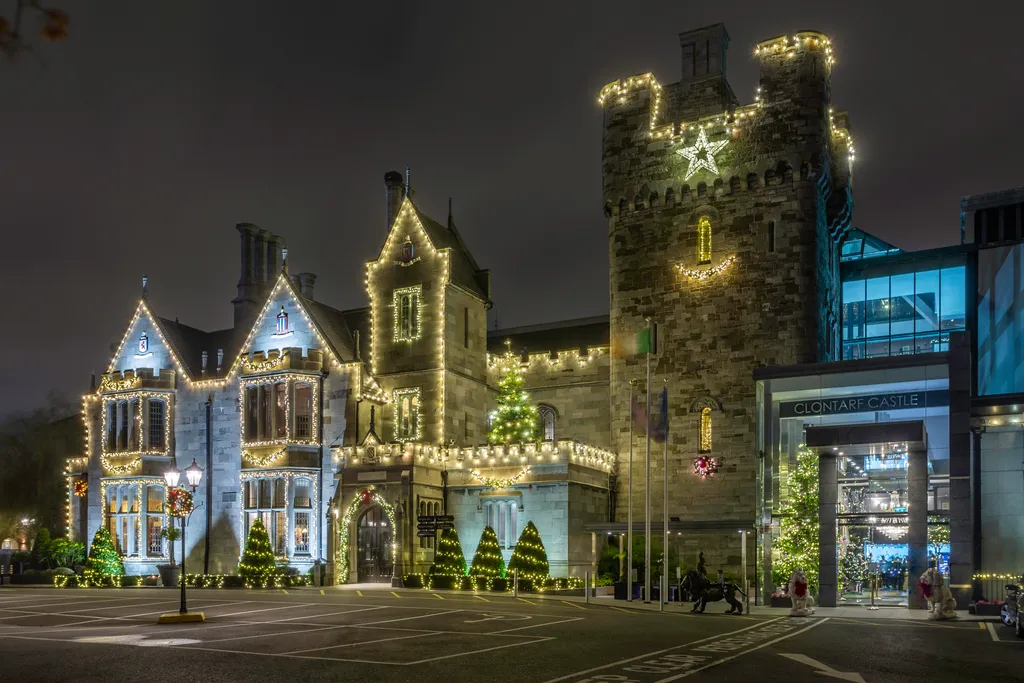
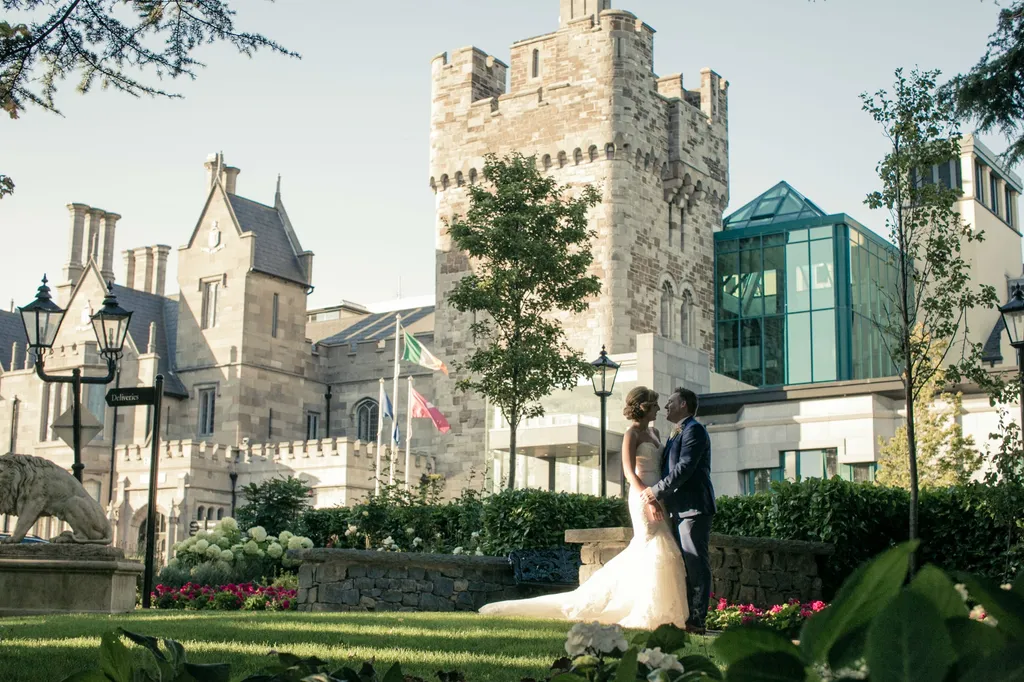
Morrison partly demolished the old castle and rebuilt it on sturdier foundations, adding the towers that still stand today.
1847 – 1912
Abraham “Bram” Stoker
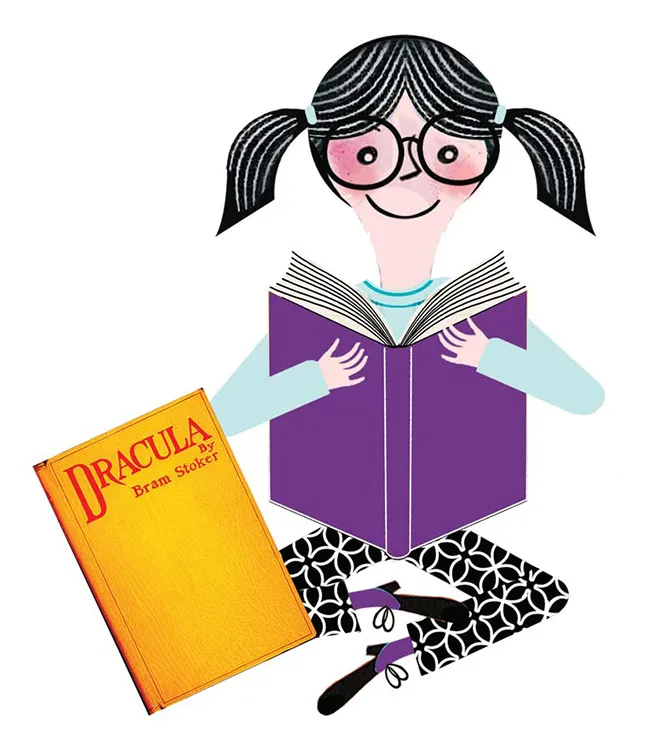
Irish author, best known for his 1897 world-famous Gothic novel… “Dracula”.
Just a short walk away from Clontarf Castle Hotel sits an elegant townhouse with a bright red door.
It was inside 15 The Crescent that a child’s imagination began to swirl around dark and eerie Gothic tales, learned at bedtime by his mother’s rocking chair.
Growing up around the corner, Stoker was fascinated by Clontarf Castle, and it’s said the castle may have inspired his image of Dracula’s castle in the famed novel. Born in 1847 and author of Dracula, Bram Stoker remains one of the most famous Clontarf residents in history today.
1971
Thin Lizzy
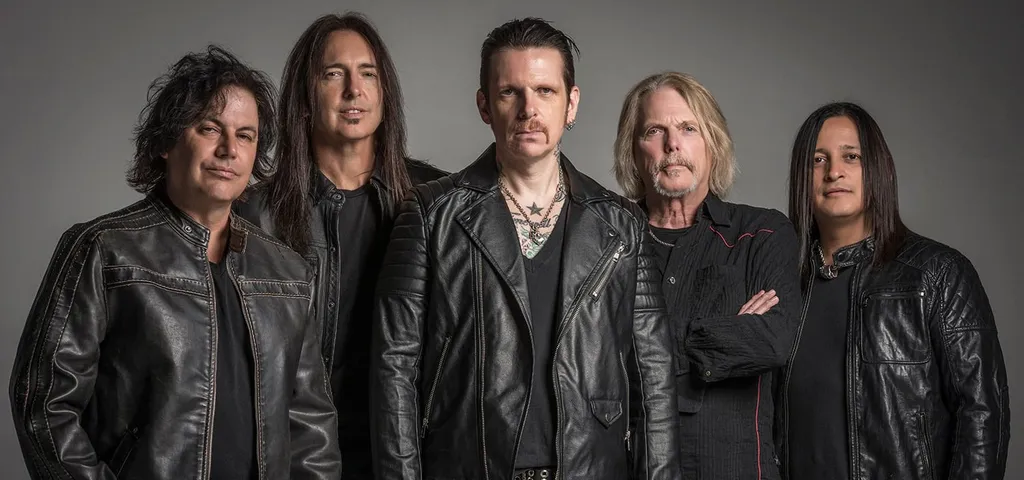
Irish rock legends Thin Lizzy put the castle in song with “The Friendly Ranger at Clontarf Castle”, the opening track on their 1971 debut album, Thin Lizzy.
Special Offers